
there is no more addtional stock of this item
You May Also Like
there is no more addtional stock of this item
I was actually 3 years old when I started BMX. My parents took me to Ashmore BMX Club. I was deeply into it because it felt like a battle, me against me. I was always able to push myself and improve.
I’m blessed with what I got out of both countries. In Japan, I learnt the importance of respecting others, understanding different cultures, and following rules. In Australia, I became more expressive. I am who I am today because of my life in both countries.
My earliest memories were from racing at Ashmore, I didn’t do very well in a race and that encouraged me to do “better today than yesterday and tomorrow better than today”.
You might think that the closer you get to the top, the less you notice others around you. But in reality, the higher I got the more I realised that many people were pushing to surpass me and that’s why I loved it.
I don’t remember anything about the crash or the week leading up to it in Victoria. My last memory is from November 2019, the year before.
I didn’t know what had happened to me. Coping with the unknown was the toughest part.
Rehabilitation can be slow but understanding that helped me stay patient and focus on improving little by little.
I did have those thoughts, but all I could do was focus on what I was doing each day.
Before, all I cared about was BMX and winning. But after nearly losing my life, I realised there are so many things more important to me than BMX, like my family, my girlfriend, and being able to share my message with others.
You might feel like you’re the only one struggling right now, but there are so many people facing their own challenges. So please remember that you’re not alone and speak up when things get tough.
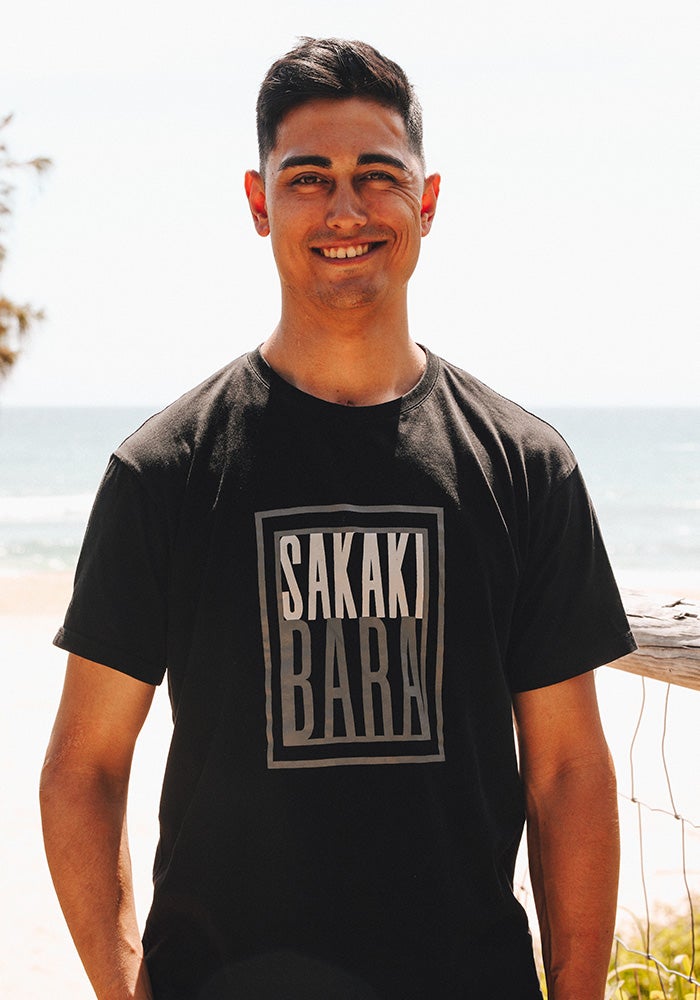
It was really challenging to take on a completely new sport, but at the same time it was exciting to see how far I could go with it.
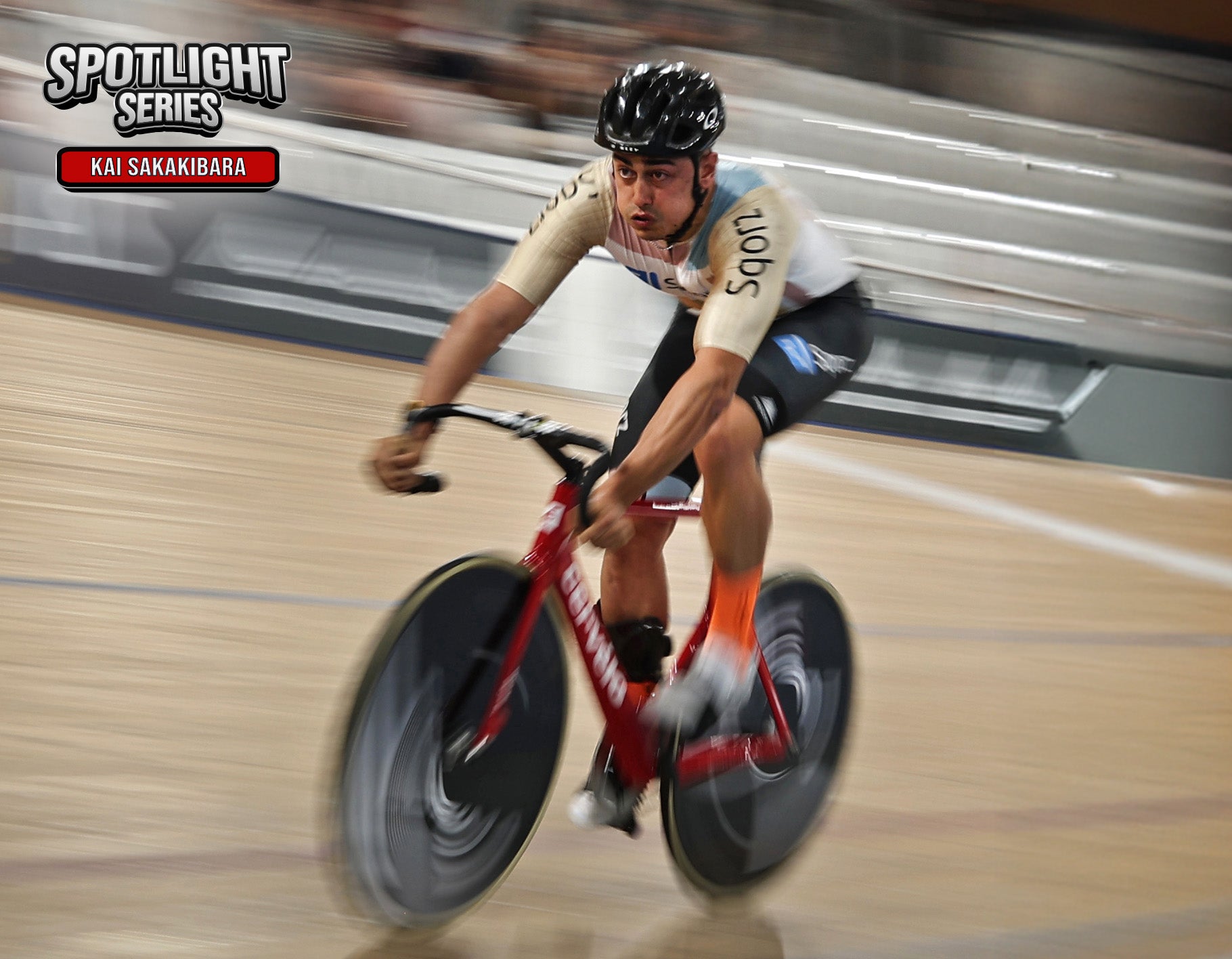
It was so special because I was able to get back on a bike again and win a title. But at the same time, I realised there were still many areas I needed to improve, so my mindset quickly shifted to getting better rather than celebrating the win.
It would mean the world to me. I don’t know when or if I’ll make it, but the most important thing is giving my best every day. That’s the only thing I can control.
I wake up at 6am, have a big breakfast, and then my support worker picks me up. We drive about an hour to QAS, where I do a 1.5-hour gym session with my coach. After that, I take a short nap on a bed provided by QAS, which makes a huge difference. Then I have lunch and head to the Anna Meares Velodrome, where I train on the track for about three hours. After that, I head home, have dinner, prepare for the next day, and go to bed around 8:30–9:00 pm.
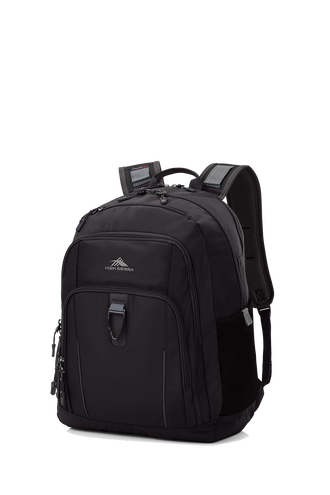
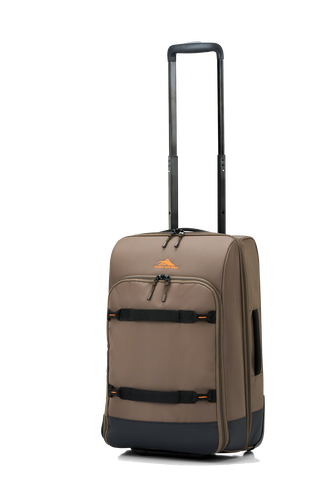
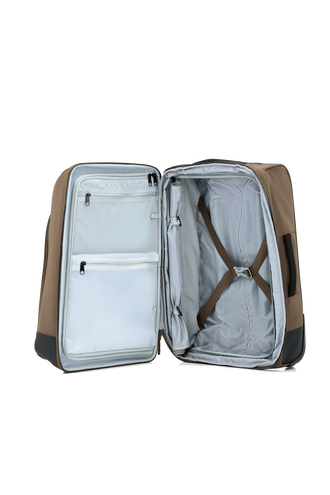
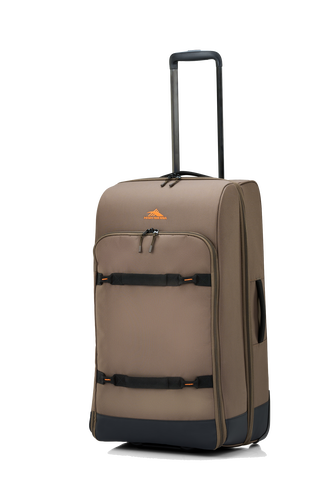
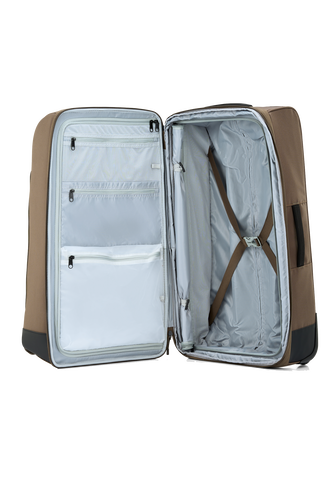
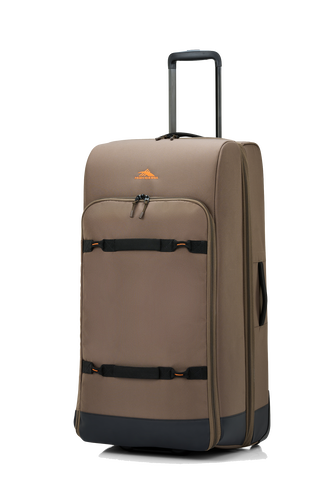
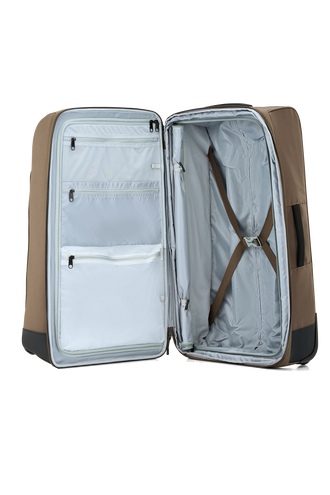
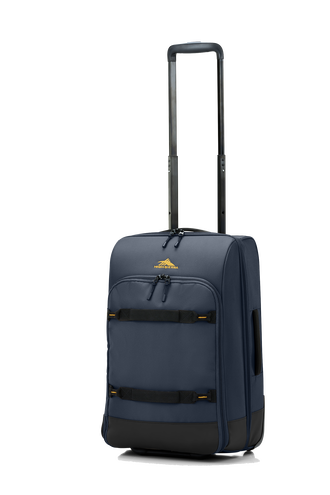
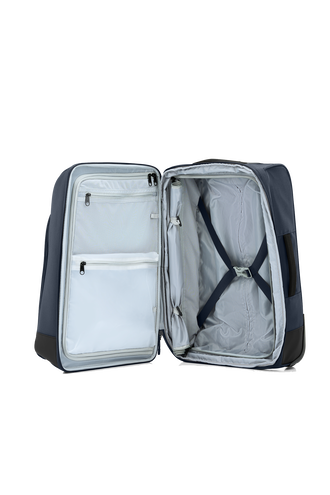
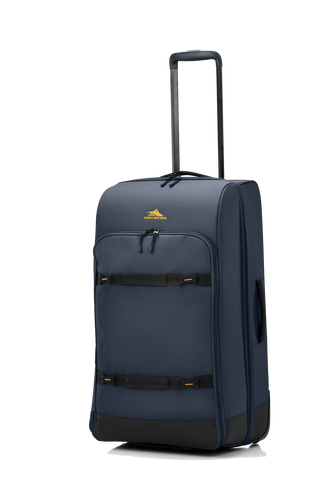
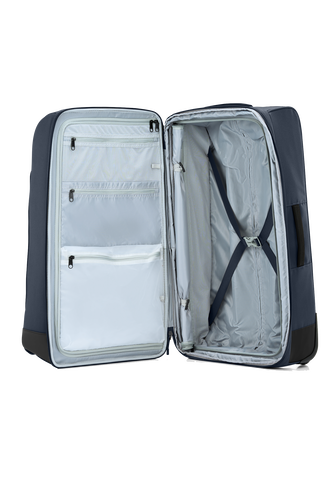
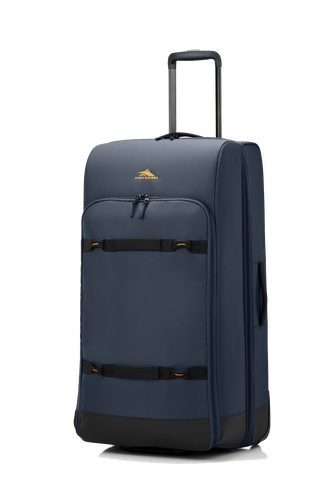
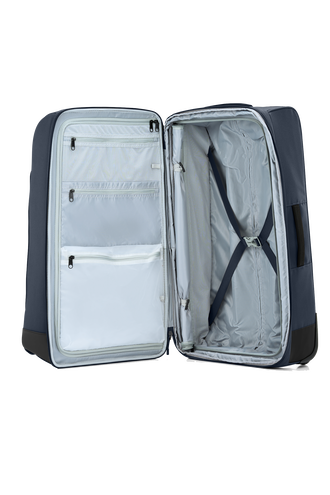
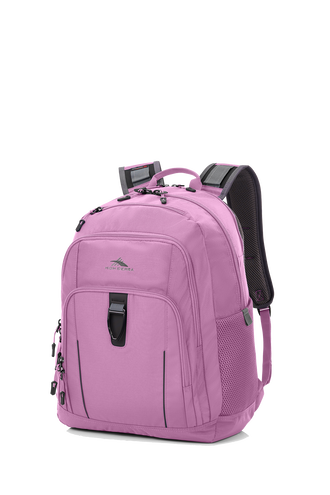
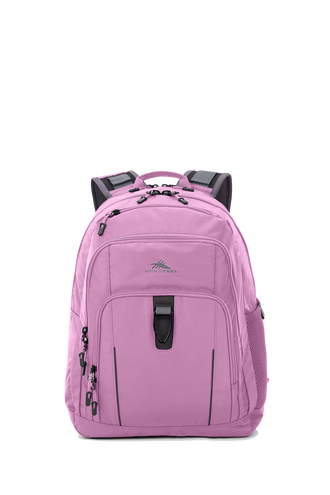
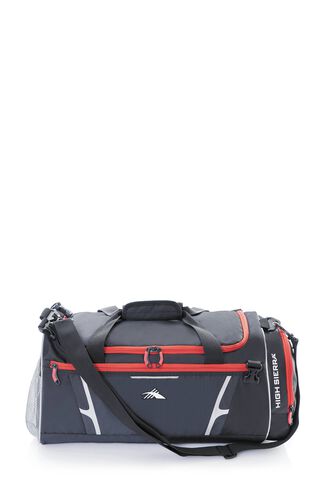
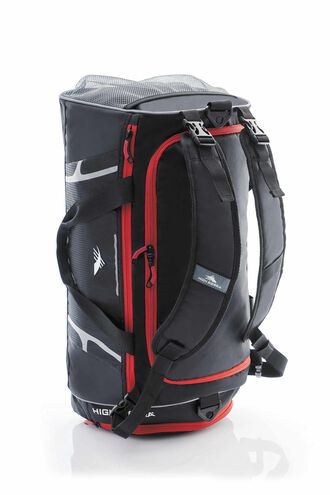
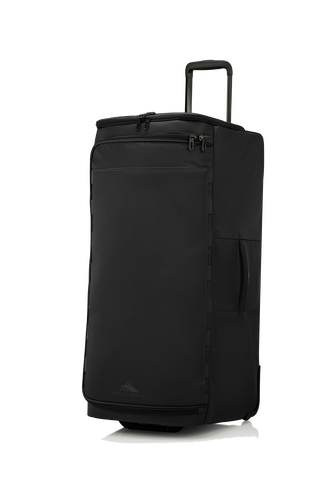
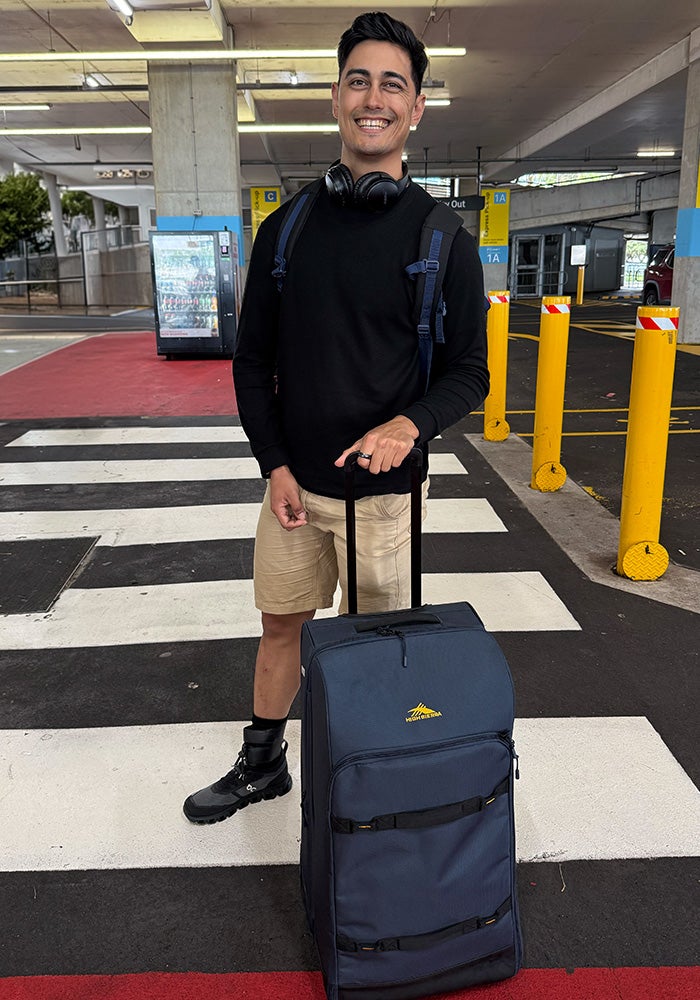
Having a High Sierra Ultimate Access Wheeled Duffle means I don’t have to juggle multiple bags like I used to when going to training (I used to take three!). Everything fits perfectly into one bag, including my food in a High Sierra Extension Backpack that fits inside as well. It makes things so much easier.
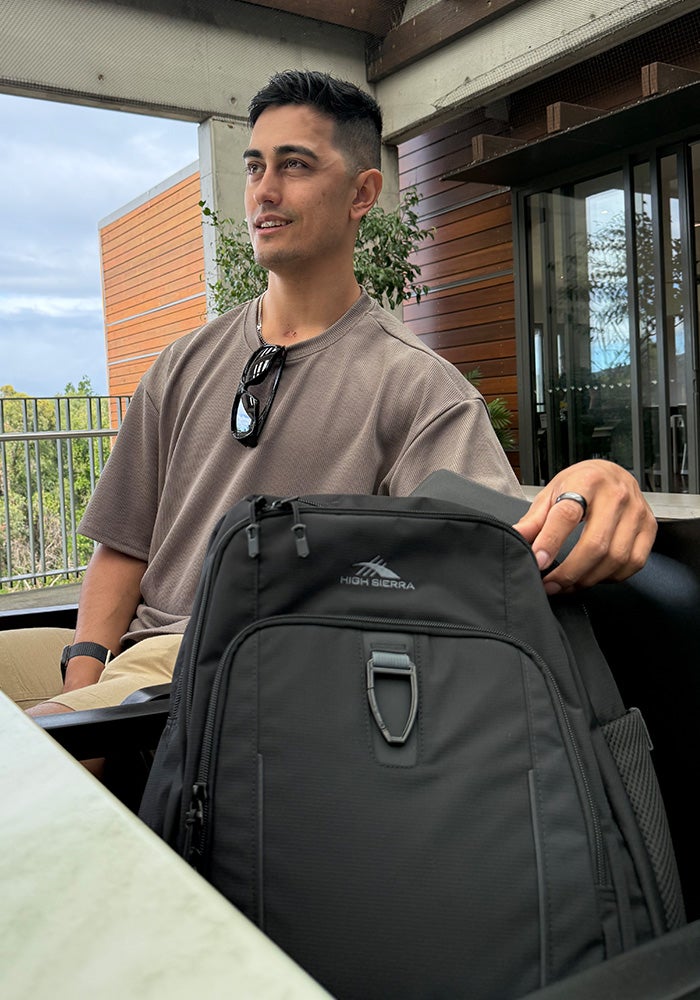
Definitely the wheeled duffle because it has so much space. I can pack everything I need, especially on days when I train all day.
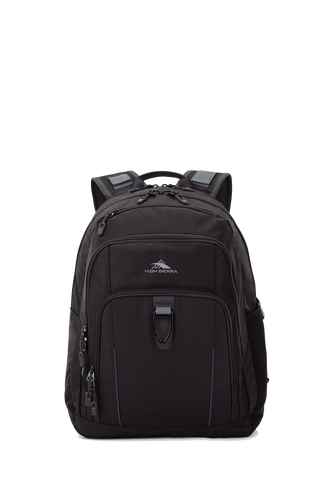
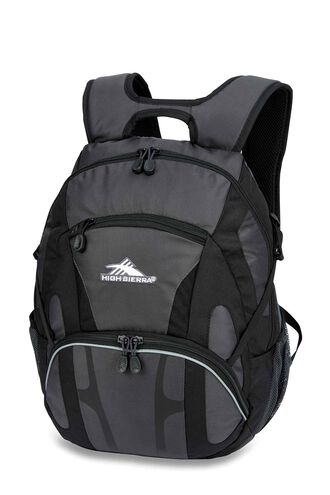
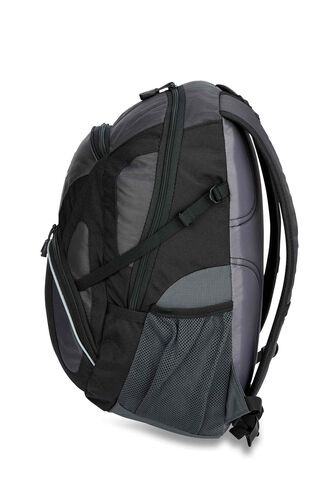
The High Sierra Extension Backpack stands out the most. As velodrome athletes, we drink a lot, from water to protein drinks, and all the bottles fit nicely in the backpack. Many teammates also ride their bikes to training, it’s easy and comfortable to carry while riding.
No matter the sport, athletes need a reliable bag, and High Sierra backpacks are perfect for that. They can hold a lot, they’re lightweight, and the Airflow back panel is really comfortable and good for your back. On top of that, they look cool.
Since I have gym training followed by velodrome sessions, I need to carry a lot with me. With High Sierra, that has never been a problem. I can fit everything I need wherever I go.
Even though I sweat like a waterfall on my bike, I always make sure to smell good with my cologne!
I keep a diary every single day, including the weather, what I ate, my training, and even conversations I had with friends.