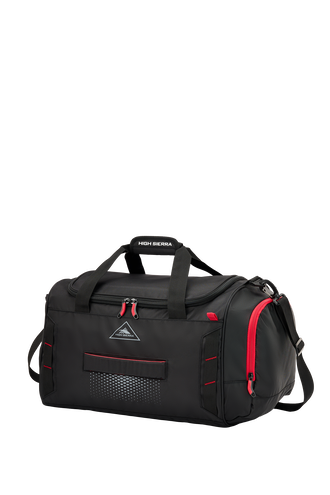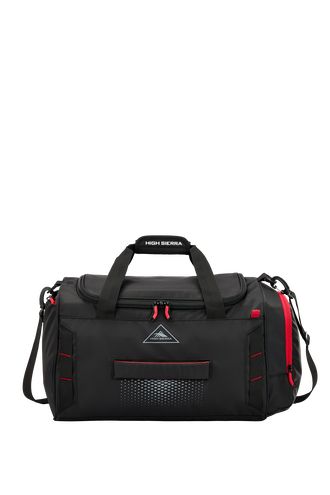

there is no more addtional stock of this item
You May Also Like
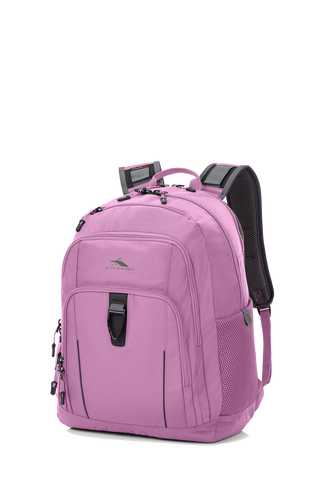
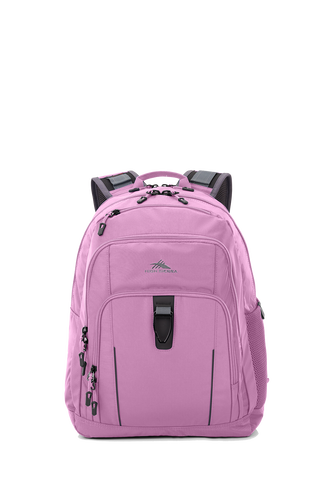
there is no more addtional stock of this item
RAW Racing is an Australian professional downhill mountain bike team competing on the global stage. Founded in 2022 in Melbourne, Victoria, RAW was created by two driven young Aussies, Jack Crawshaw (Team Manager) and Jed Stanton (Elite Rider). What started as an ambitious idea between high school mates—who saw a lack of support for young and talented Australian athletes—has now grown into a fully-fledged international race team, competing on the UCI World Cup circuit for the past four years, and building solid partnerships with brands like High Sierra.
Now, in 2026, RAW Racing is stronger than ever. With an exciting team featuring Elite riders Jed Stanton (20) (now Team Manager) and Carter Sloan (20), and Junior riders Huddo Tarling (19) and Tilly Henness (18), RAW is ready to take on the world’s best. Collectively, the team holds multiple national and Oceania titles, proving they have what it takes to stand on the podium at the highest level. With the backing of High Sierra, RAW Racing is set to take things to the next level—pushing limits, chasing podiums, and bringing fans along for the ride.
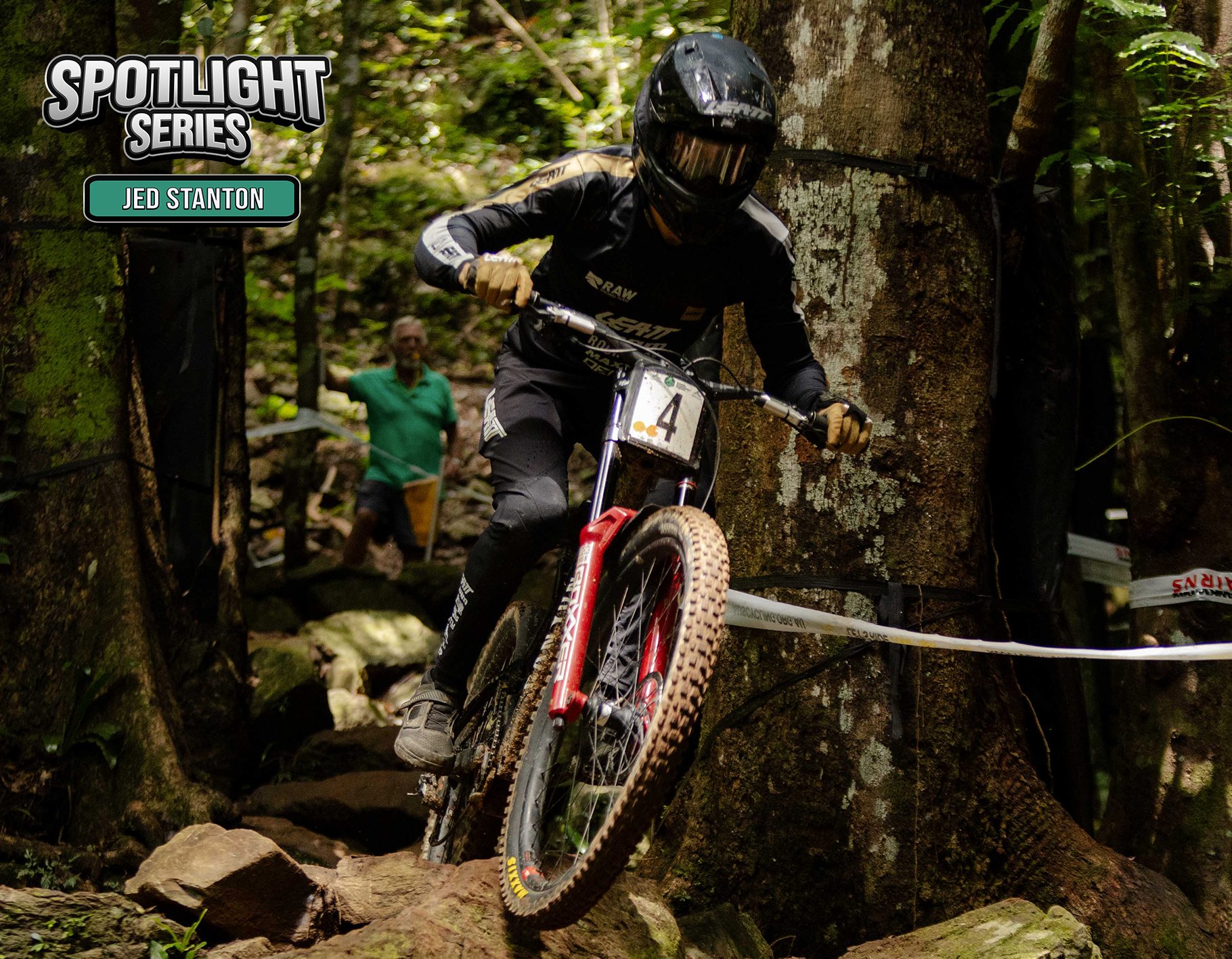
RAW Racing is a by-riders, for-riders development team in downhill mountain bike racing. Our goal is to bridge the gap between riders doing well domestically and making that step to the World Cup, with the ultimate goal of graduating onto bigger teams and making a career in the sport. We’re a rider-run program rather than a corporate setup, and at the core of it we’re all about having fun, racing hard and supporting each other.
We noticed there was a huge gap in the pathway from racing domestically in Australia to getting over and competing at World Cups. There were so many talented young Aussie riders, but not many Australian-based teams and no Australian factory teams. Being on the other side of the world from where the majority of the World Cups and teams are based also makes it really difficult to get noticed.
We thought that if we could band together as riders and build relationships with brands that aligned with what we were doing, we could create something that helped talented Aussies get overseas, race on the world stage and get noticed.
The original idea actually started with four mates who were all up-and-coming riders. We were only about 16 at the time and already felt like we were a bit of a team, so we wanted to make it official. The original idea was pretty simple: create a structure that could gain support from brands inside and outside of the Industry, help us as riders and give us more of a presence.
After that first idea, we started to realise the potential it had to help other up-and-coming Australian riders as well, and from there we just went all in.
The team has evolved heaps, mainly because we’ve learnt and progressed so much ourselves. We’ve learnt a lot about running a team, working with brands and riders, and presenting ourselves more professionally, especially through our media. At the same time, our riding has progressed to the point where we really belong on the world stage.
I’d say the team is a lot more polished and professional than it was in that first year, but at its core it’s still the same. It’s a rider-run program with grassroots support, and having fun and being stoked to go racing is still a massive part of it.
RAW Racing was built from the ground up by riders, and by young riders as well. Because of that, I think we can really connect with what up-and-coming riders actually want, need and appreciate, because we were and are in that position ourselves.
I also think the culture within the team is a massive part of what makes us different. We’re best mates, we love travelling and racing together, and we’re genuinely as stoked for each other when someone gets a good result as we are when we get one ourselves.
The Australian downhill racing scene has been a huge part of my life and childhood, and I have a massive passion for it. I’m really close with a lot of people within the scene, so I get super excited about trying to help my mates and other young riders achieve the same goal I’m chasing, and that so many kids in the sport dream of, which is making a career out of professional downhill racing.
Australia always has had, and still does have, so much talent and potential, but there’s definitely a lack of support to help riders make that next step.
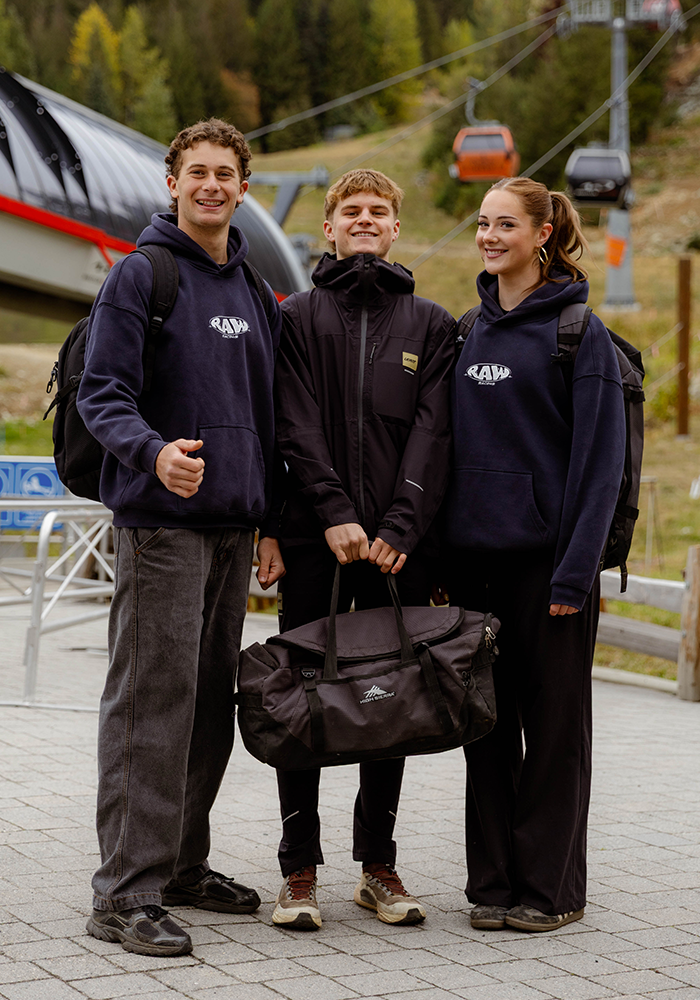
Right now we’re focused on finishing the World Cup season strong over the next month. Then we’ll head home and start rebuilding for an even bigger and better 2027, beginning with the Australian and New Zealand Oceania downhill season over our summer.
I really just fell into it. I was lucky enough to grow up in a family that loved action sports. My parents were into surfing and snowboarding, and from when I was really small I always loved bikes.
When I was around 10, I went to school with a few mates who were also into bikes, so we started building jumps together and eventually went to our first race. From there I just kept frothing it, kept progressing and loved it more and more. I haven’t really looked back since.
One of my favourite things about downhill is that even though we’re all competitors, it still feels like one huge community and everyone’s mates. The culture within the sport is unreal. And I’ve always just loved adrenaline and action sports in general, so downhill was a pretty natural fit.
It was a great World Championships in some ways and a challenging learning experience in others. I’d just come off my best World Cup result to date the week before, so I was in good form heading into Val di Sole, which most people would say is the gnarliest track of the year.
I was feeling really good on the bike, but battled a fair bit of adversity through practice with mechanical issues, multiple crashes and missed track time. I was super stoked with how I managed to pull everything together on race day and put down a good finals run considering the preparation I’d had.
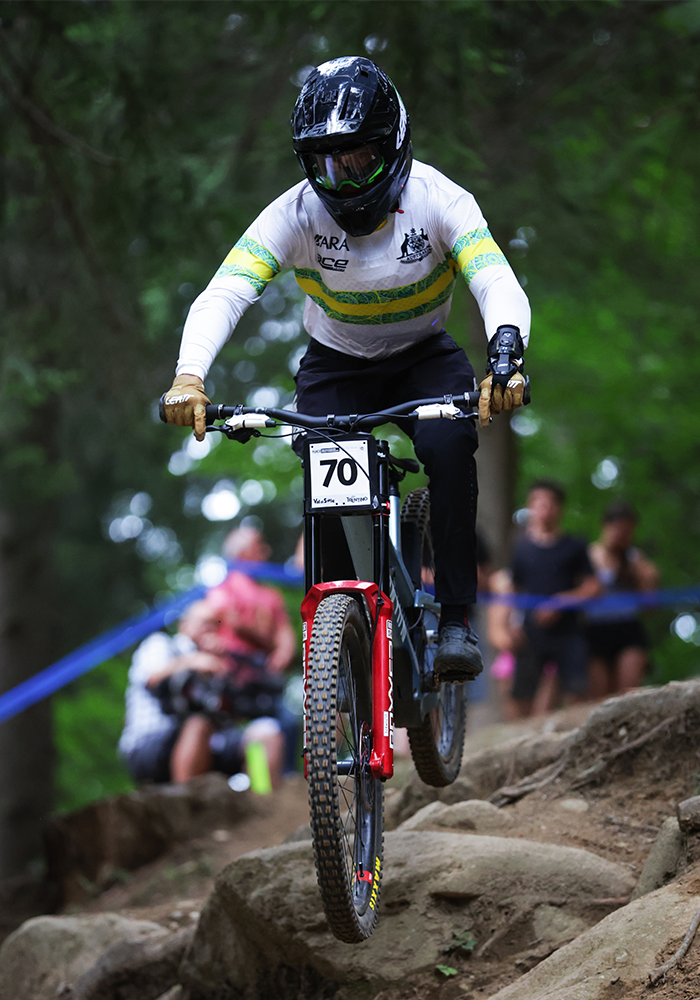
I ended up 45th in my first Elite World Championships. I was happy with my performance, but definitely hungry to improve on the result next year.
It was an honour to be selected to represent Australia on the world stage
It’s definitely a fine line, and I think it’s a balance you learn through experience and, unfortunately, through crashes and injuries as well. I’m still learning it myself.
One of the biggest things I’ve learnt is that you really need to be on your A-game in every area. Your preparation, sleep, fitness, strength, riding skills and bike setup all add up. The more dialled you are in all of those areas, the safer it becomes and the faster you’re able to go.
At the same time, you have to accept that there’s always going to be risk involved. Injuries are unfortunately a part of the sport, so it’s about accepting that while doing everything you can to minimise the likelihood of them happening.
Race day usually starts with me trying (struggling) to eat as much breakfast as I can while battling a fair few nerves. We’ll then get around an hour of practice, which is really just enough time for two or three runs to check the track conditions and any changes from overnight.
After that, there’s usually a two or three-hour break to prepare for the one run that counts. About an hour before my start time I’ll head up the gondola, do a 30-minute warm-up and then it’s time. Five minutes later you’re at the bottom and you know your result. That feeling at the top, knowing you have one run and everything comes down to the next five minutes, is pretty hard to match.
A huge amount. Before we even get to the race there’s all the training and preparation at home, but once the weekend starts we begin with a track walk, where we study the track and start figuring out lines.
The next day is practice, where we build up our speed, test lines and work out the fastest way down the track. Then we have qualifying, with another practice session beforehand. Your qualifying result determines whether you make finals and your start position, with the fastest riders starting last. On finals day we get one last practice session before the race run that counts.
The most hectic part can definitely be during our limited practice time. If you have a crash or mechanical and need to fix the bike, every run you miss matters, so things can get pretty hectic pretty quickly.
The most stressful part, though, is definitely the time right before your race run. That gets the heart going.
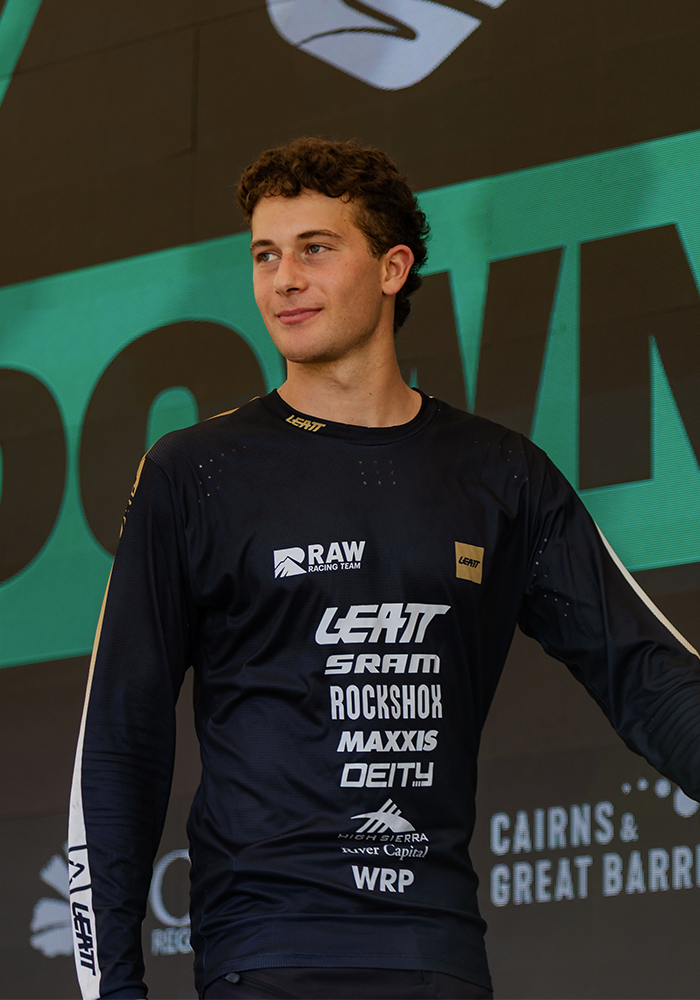
We’re super lucky to compete in some of the most beautiful places in the world. My favourite so far would have to be Les Gets, France. The atmosphere is unmatched. Over 100,000 spectators come to watch and it basically turns into a rowdy party down the side of the track.
That said, I’m about to race the first-ever Whistler World Cup, and with Whistler being the mountain bike mecca of the world, there’s a pretty good chance it could top it.
Definitely South Korea. The first World Cup round this year was the first downhill World Cup in South Korea, and it was my first time in the country as well.
It was really eye-opening. The culture was completely different to what I was used to, and racing somewhere where everything from the food to the cultural norms was unfamiliar was definitely a challenge. But it was an amazing experience to see a completely different part of the world that I may never have visited otherwise.
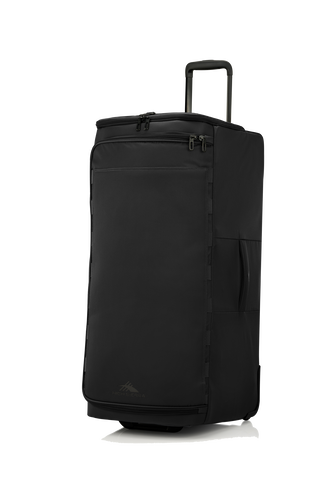
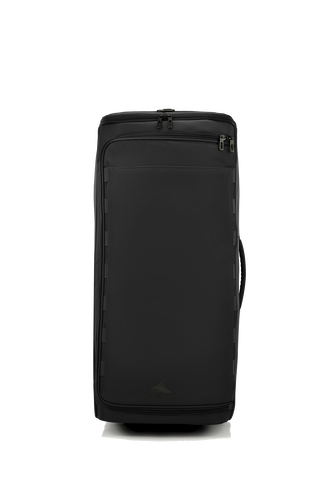
With all our bike gear, tools and spares, we max out our luggage allowance pretty quickly. I usually have a 32kg High Sierra wheeled duffel full of riding gear, tools and spares, my Fairlead Convertible Duffel Backpack with my clothes, plus a backpack and helmet bag. Then there’s the bike bag, with my bike and two sets of wheels, which is always a challenge to keep under the weight limit.
A fair bit, but we’re lucky that it’s still manageable enough to fly with everything we need. Compared to a sport like motocross where you obviously can’t fly with your motorbike, we’ve got it pretty good.
Pretty much everything I bring is essential. I’ve built a lightweight tool roll with all the tools I need, then there’s my bike, helmet, two pairs of riding shoes, all my protection, a spare wheel set and, of course, clothes.
A good eye mask. Getting some decent sleep on a long flight can make a huge difference to jet lag, especially when we’re travelling between back-to-back races.
Definitely airline weight restrictions. You learn pretty quickly which airlines are more flexible and how to make everything fit within the limits. If we could drive to every race, we’d be able to carry a lot more tools and spares and be even better prepared.
The Fairlead Convertible Duffel Backpack has genuinely been my go-to kit bag since we started working with High Sierra four years ago. It’s the perfect size, and being able to use it as a backpack when I’m riding or a duffel when I’m flying makes it super versatile.
It’s also incredibly tough. I’ve used the same one constantly for four years and haven’t needed to replace it.
Definitely the trusty Fairlead Convertible Duffel Backpack. It comes to the pits with me every day at a race and carries all my riding kit, so it’s genuinely part of my daily race routine.
Adventure to me means getting outside your comfort zone, taking a bit of risk and even scaring yourself sometimes. Ultimately, I think it’s about pushing your limits, because that’s how you grow, and being open to exploring and experiencing new things.
It’s a feeling that never gets old. I’ve done over a hundred race runs now and I don’t think you ever get less nervous. You hate the feeling in the moment, but whenever I’m forced to be off the bike, it’s one of the things I miss most.
It’s hard to describe, but it’s like a heightened sense of awareness. You have butterflies and can feel the nerves through your whole body, but at the same time the adrenaline makes you feel incredibly alert and focused. Your body knows the risk you’re about to take and everything just sharpens.
When I’m at the top, I try not to think about the result or anything outside of racing. I just focus on the run ahead of me and getting completely locked in.
Do it. Rock up to your local mountain bike club and sign up for a race. The downhill community is super welcoming and there’s an awesome grassroots racing scene that I still love being a part of. You don’t need to take it seriously, just get involved and have fun.
Perseverance, for sure. My journey in the sport has definitely been a slow burn. I was never a prodigy or a phenom growing up, but persevering through setbacks and always trying to find something positive in every race, result and experience has helped me reach a pretty high level.
That’s definitely a lesson I’ll take into everything else I do for the rest of my life.
Maybe not adventurous in the traditional sense, but one of the biggest things that pushed me outside my comfort zone was finishing Year 12 online while travelling and racing. We had to be super independent and teach ourselves a lot of it, so balancing that with racing around the world was definitely a challenge.
Outside of that, probably some of the trips and experiences I’ve had surfing and snowboarding.
I’ve learnt that feeling at home and comfortable is much more about who you’re with than where you are. Having good people around you who make you happy and help you perform at your best is more important than the actual place you’re in.
I think when you go all in on something, you have to learn to love the journey rather than just the result. Appreciating the process makes it a lot easier to stay resilient through setbacks and patient when the results don’t come straight away.
I’ve also learnt how important discipline is if you want to keep progressing. I actually enjoy being disciplined because I know I’m doing everything I can to get better, and I feel good about myself because of it, it builds confidence.
Dream big and back yourself. I think I’d tell myself to be as confident as possible in what I wanted to achieve. Keep believing, keep riding every type of bike you can, and enjoy the process because it all adds up.